12-Day Journey of Romantic Eastern Europe
Overview
Visit Hungary, Croatia , Slovenia, Austria, The Czech Republic, Germany
Download Itinerary:
 Instant Messaging
Tour Gallery
Tour Plan
-
Day 1Hometown ✈ Budapest, Hungary
-
Day 2Budapest
B: On Board/Own / L: On Board/Own / D: On Own
[Budapest] NH Budapest City or similar -
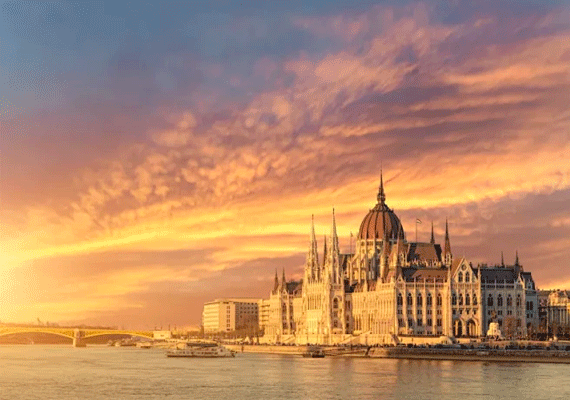
Day 3Budapest - Buda Castle District - Fisherman’s Bastion (admission incl.) - Matthias Church (admission incl.) - Heroes Square - Hungarian Parliament Building - Chain Bridge - Danube River Cruise (optional)
B: Hotel / L: On Own / D: Traditional Hungarian Cuisine
[Budapest] NH Budapest City or similarBuda Castle District: The Castle District in Budapest (the capital of Hungary) encompassed Castle Hill, the nerve centre of the city’s history and packed with Buda Castle, which is the historical castle and palace complex of the Hungarian kings, and many of the most important museums and major attractions. Fisherman’s Bastion: The panoramic viewing terrace with fairy tale towers in Budapest. Built in the 19th century, it served as fortification in Buda and was protected by the guild of the fishermen during the Middle Ages. You will appreciate the panoramic scenic views of Danube River from the top of the lookout tower. Matthias Church: Located atop of the Buda Castle hill, it is one of the finest churches in Budapest and the most unique churches in Europe. Full of surprises, mysteries, and treasures, the church has history dating back to the Middle Ages and boasts a breathtaking interior with colours inspired by orientalism and romantic historicism. Its mystically exotic atmosphere paired with its Neo-Gothic features differentiates it from any other church. Széchenyi Chain Bridge: Spanning the River Danube, this two-towered chain bridge is the oldest suspension bridge in Budapest connecting both sides of the city, Buda and Pest. It is particularly gorgeous when lit up at night and thus attracts many visitors. Danube River: The second longest river in Europe, flowing through ten countries in Central & SE Europe, from Black Forest in SW Germany into the Black Sea. Integrated with the beautiful scenery on both sides of the river bank, countless cultural heritages revealing the rise of the Roman Empire could still be observed along this once long-standing frontier. -
Day 4Budapest - Zagreb, Croatia - King Tomislav Square - St. Mark Church - Stone Gate - St. Mary Cathedral
B: Hotel / L: Vineyard Restaurant / D: On Own
[Zagreb] Mövenpick Zagreb or similarZagreb: Croatia’s capital, small but important as the heart of its transportation hub extending to Central Europe, the Adriatic Sea and the Mediterranean areas. King Tomislav Square: Named after the Croatian king in the 10th century, the Square is a historic and cultural landmark located in the centre of Zagreb’s Lower Town. It is prominent with the statute of King Tomislav on horseback, several impressive historic buildings and distinguished monuments, vibrant open space with lush greenery, serving it a popular hangout spot for locals and a must-visit attraction for tourists. St. Mark’s Church: With its origin dating back to the 13th century, this Gothic style church is one of Zagreb’s iconic landmarks, and famous for its distinctive and colourful tiled roof, beautiful vaulted ceilings and arches, and intricate sculptures and carvings at its entrance portal. Stone Gate: One of Zagreb’s oldest and most renowned landmarks, the Stone Gate was built in the 13th century as one of four main gates leading to the town. Now it is the only one still remaining and well preserved. Its atmospheric gateway leads to the medieval Upper Town and hosts a shrine to the Virgin Mary which attracts many tourists and religious devotees. -
Day 5Zagreb - Plitvice Lake National Park (admission incl.) - Ljubljana, Slovenia (Capital City)
B: Hotel / L: On Own / D: Local Western Cuisine
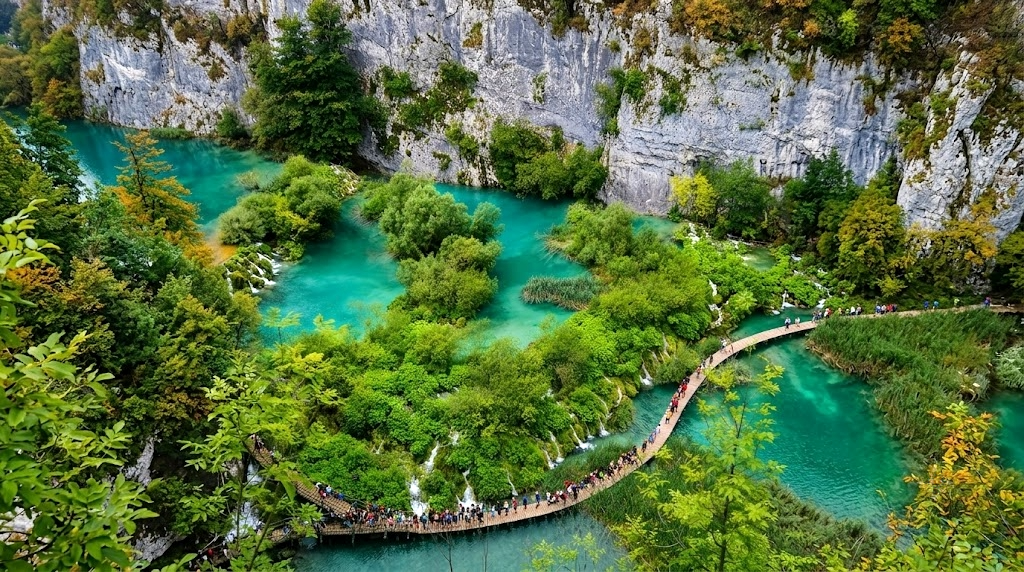
[Ljubljana] Four Points by Sheraton Ljubljana Mons or similarPlitvice Lake National Park: One of Croatia’s finest treasures you should never miss! Added to the UNESCO World Heritage register in 1979, Plitvice National Park is renowned for its 16 lakes arranged in cascades and interconnected with silky water flow. Their distinctive colors change constantly depending on the quality of minerals or organisms in the water and the angle of sunlight. (Note: Some sightseeing routes in the Park may be closed in severe weather.) -
Day 6Ljubljana - Triple Bridge - Postojna Cave (admission incl. with train ride ) - Lake Bled (optional) - Salzburg, Austria
B: Hotel / L: On Own / D: Austrian beer house
[Salzburg] Dorint City Hotel Salzburg or similarTriple Bridge: A group of three iconic pedestrian bridges crossing the picturesque Ljubljanica River and connecting Ljubljana’s medieval old town and the modern part of the city. Since 2007, it became part of the pedestrian zone with many local stores, delightful outdoor cafes and restaurants, making it one of the most popular tourist attractions in Ljubljana. Postojna Cave: One of the most captivating caves in the world with magnificent formations and diverse stalagmite. Just like the world above the surface, Postojna Cave boasts towering mountains, murmuring rivers and vast subterranean halls. Its 3.7km-long double-track railway operating since 1872 is the world’s first one in an underground cave and offers explorers surprising experience of a fascinating subterranean paradise shaped by tiny droplets over millions of years. (Note: The temperature inside the cave is constantly low (10 °C or less) throughout the year. Please prepare warm clothing and sports footwear.) -
Day 7Salzburg - Mozart Square - Mirabell Garden - Mondsee Lake Boat Trip (optional) - Vienna - Vienna Concert (optional)
B: Hotel / L: On Own / D: On Own
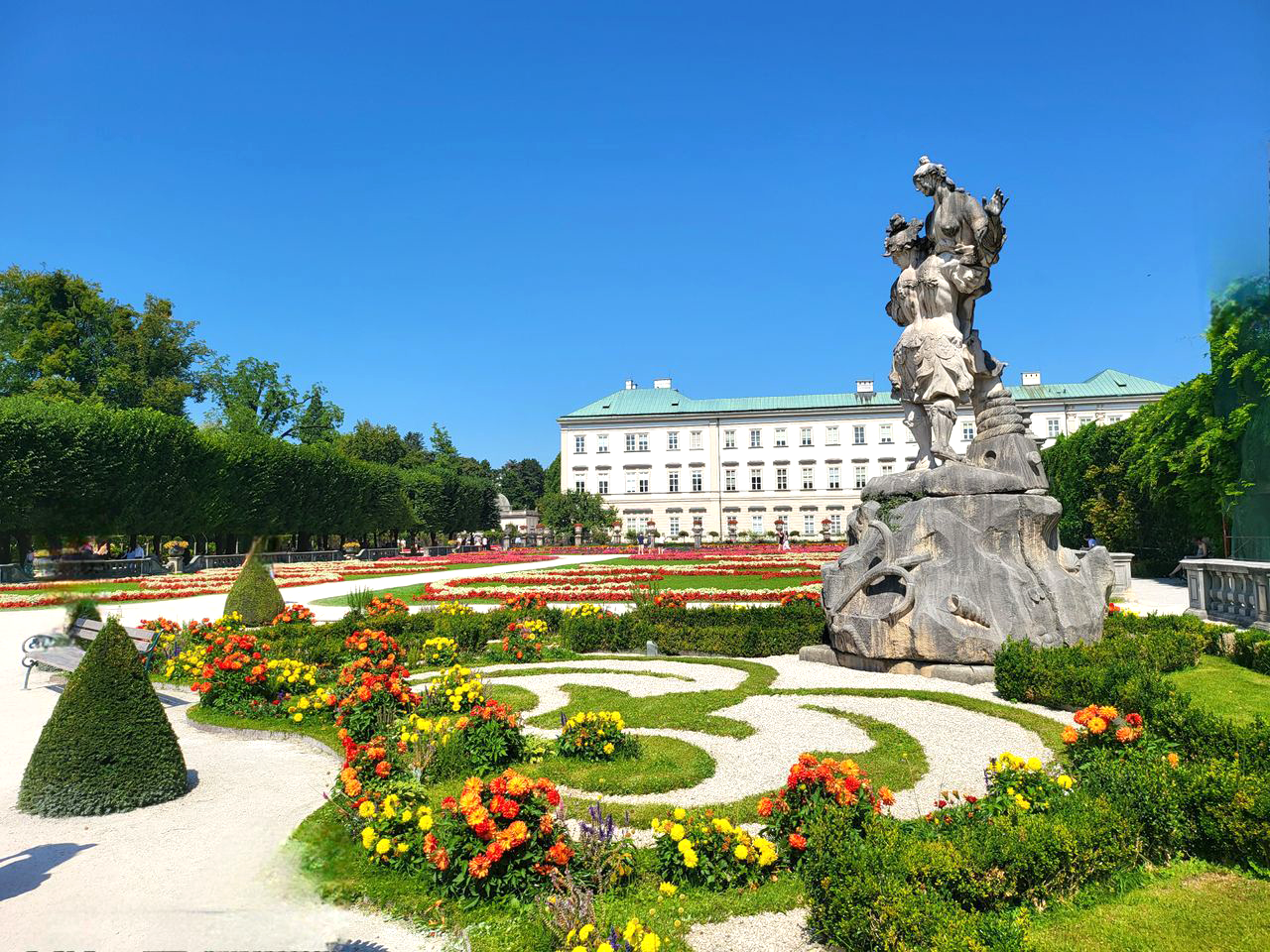
[Vienna] IntercityHotel Wien or similarMozart Square: Salzburg is the genius musician Wolfgang Amadeus Mozart’s birthplace. Mozart Square is at the center of its Old Town surrounded by Baroque and Classicist buildings and boasts a bronze statue commemorating Mozart which was ceremoniously unveiled in the presence of his son in 1842. Mirabell Garden: Redesigned under Archbishop Johann Ernst von Thun in 1690, this baroque pleasure gardens consists of statues, fountains and mazes. The Garden is also famous for the shooting location from the popular Hollywood musical “The Sound of Music”, in which Maria and the children dance around the Pegasus Fountain and sing the song “Do Re Mi”. -
Day 8Vienna - Schonbrunn Palace & Garden (admission incl.) - Heldenplatz - Hofburg - Hundertwasser House - Ringstrasse - Cesky Krumlov, The Czech Republic
B: Hotel / L: On Own / D: Local Western Cuisine
[Cesky Krumlov] Clarion Congress Hotel Ceske Budejovice or similarSchonbrunn Palace and Garden: A former imperial summer residence of the Habsburg monarchs, including Empress Maria Theresa and Emperor Franz Joseph. This grand 1,441-room Baroque palace and its vast French garden is one of the most important architectural, cultural and historical monuments in Austria, and has been recognized as a UNESCO World Heritage Site since 1996. The palace and its rooms are richly decorated with period furnishings, artwork, and luxurious details that provide insights into the lives of the imperial family. Inside the sculpted garden space called Great Parterre, there are 32 sculptures to depict deities and virtues. Heldenplatz: A public space in front of the Hofburg Palace where houses two equestrian statues of Austrian heroes. The statue of the great Austrian military leader Archduke Charles represents the highest glory of Habsburg Dynasty as under his leadership Austria had ever won the strongest victory at Napoleonic Wars. The second statue is Prince Eugene of Savoy who was one of the most successful military commanders of his time, and rose to the highest offices of state at the Imperial court in Vienna. Hundertwasser House: An exceptional apartment house in Vienna, Austria, built after the idea and concept of Austrian artist Friedensreich Hundertwasser who presents a concept of harmony with nature and man by efficient use of irregular designs and recycle materials. Ringstrasse: A 5.3-km long beautiful boulevard housing numerous monumental buildings of different architectural styles with history dating back to 1860s to 1890s, and many famous attractions, museums, grand palace and parks, such as Vienna State Opera, Museum of Fine Arts, Parliament and City Hall. Its construction was a masterpiece of urban planning and took over half a century. It serves multiple purposes including being one of Vienna’s most significant traffic arteries, a venue of large-scale local and international events, and a hotspot for tourists as well as locals. -
Day 9Cesky Krumlov - Old Town - Prague - Charles Bridge - Old Town Hall - Astronomical Clock - Prague Castle (admission incl.) - St. Vitus Cathedral - River Cruise Dinner (optional)
B: Hotel / L: On Own / D: On Own
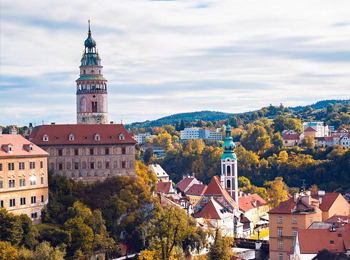
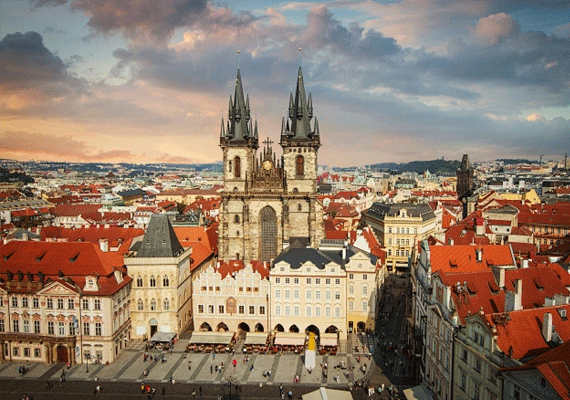
[Prague] Hotel Occidental Praha or similarOld Town: A must-visit attraction when traveling Cesky Krumlov; the Svornosti Square in the town centre and the surrounding Renaissance style buildings, the Gothic St. Vitus Cathedral, the ancient wooden Cloak bridge… are the town’s iconic landmarks. The Old Town is full of medieval-style structures, narrow cobblestone streets lined with little shops, beautiful galleries, stylish cafes and museums are also the highlights of the town. Never miss to admire the stunning scenery and romantic vibes while stroll along the Vltava River! Charles Bridge: Known as Prague’s landmark, the 520m long Charles Bridge has its history over 600 years and crosses over Vitava River to connect Prague Castle and the Old Town. This oldest and longest stone bridge in Europe is decorated by 30 baroque statues of saints and is thus named as Europe’s open-air baroque art gallery. Astronomical clock: A medieval astronomical clock attached to the Old Town Hall in Prague, the capital of the Czech Republic. The clock mechanism has three main components — the astronomical dial, representing the position of the Sun and Moon in the sky and displaying various astronomical details; the statues of 12 Catholic saints standing on either side of the clock and the other moving Apostle figures and sculptures showing the hours; and a calendar dial with medallions representing the months. Prague Castle: Founded in the 9th century, Prague Castle has been served as royal palace and underwent several reconstruction and extension. It is the largest ancient castle in the world and now the residence of the President of the Czech Republic. St. Vitus Cathedral: Located within Prague Castle, the Gothic styled St. Vitus Cathedral is the largest and most important church in Czech. Apart from religious services, the coronation of Czech kings and queens and their burial also take place here. -
Day 10Prague - Saxon Switzerland National Park, Germany - Dresden - Frauenkirche Dresden - Martin Luther Statues - Furstenzug – Berlin
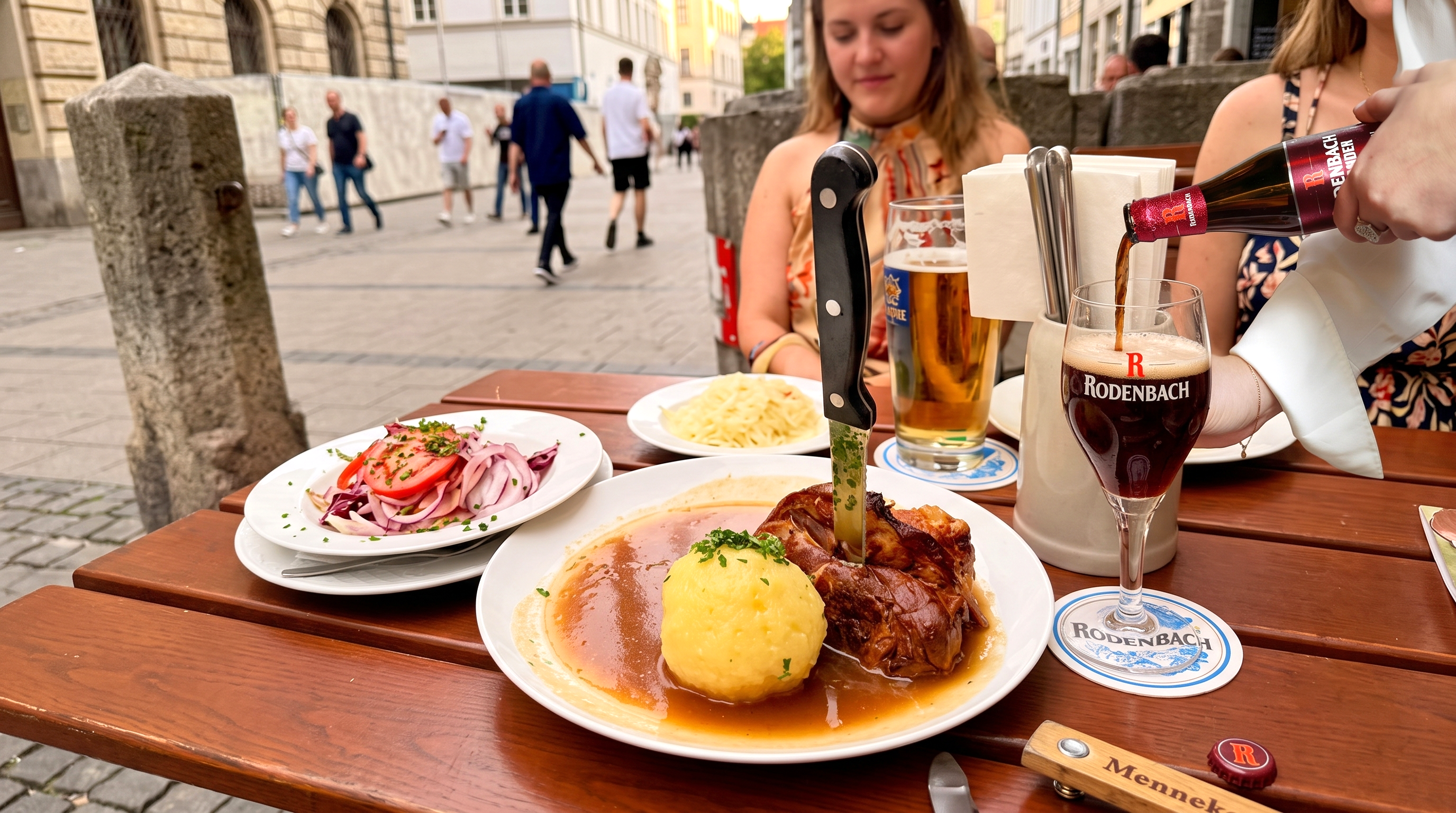
Breakfast: Hotel / Lunch: At own expense / Dinner: German-style roast pork knuckle with beer
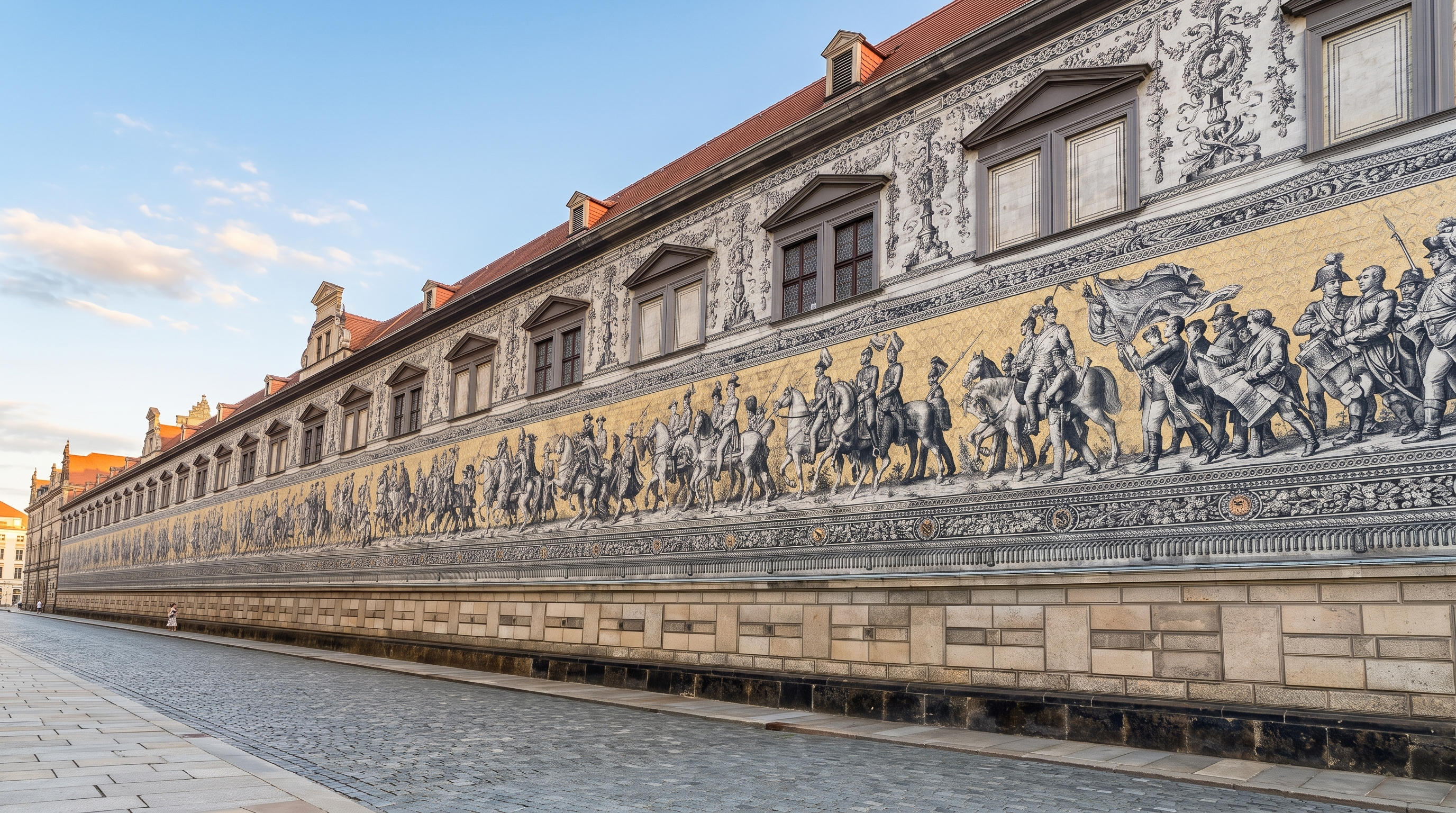
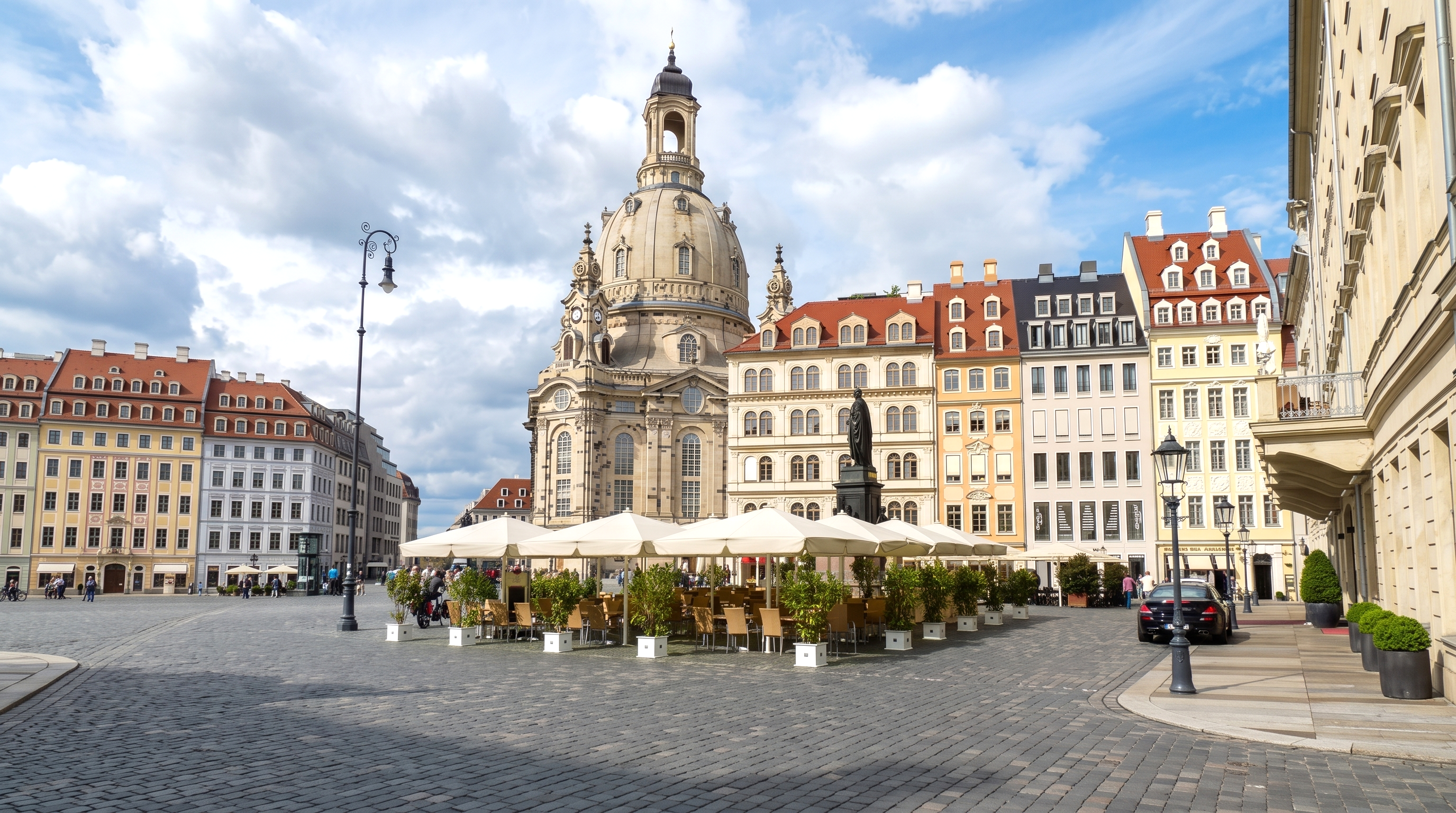
[Berlin] NH Berlin City Ost or similarSaxon Switzerland National Park: Located in the heart of the German part of the Elbe Sandstone Mountains, which is called the Saxon Switzerland, this Natural Park offers several different habitats and microclimate zones due to its strong vertical division. Without human intervention, it still hosts some rare forms of sandstone landscape, valley, plateau and canyon, which is very exceptional in central Europe and makes this National Park so distinctive. Frauenkirche Dresden: It is a Lutheran church in Dresden in honor of the Virgin Mary. It was first built in the 11th century but destroyed in WWII. Its ruin then remained as a memorial at the heart of the city. In 1994 the church was rebuilt using its original materials and plans with the help of modern technology and finally completed in 2005. It is considered one of the prominent examples of protestant church architecture, featuring one of the largest stone domes in Europe. The viewing platform at the top offers magnificent views of Dresden city. Furstenzug: The largest porcelain painting in the world, Furstenzug is a 102-meter-long mural on the outer wall of the stables courtyard of Dresden Castle. It was made of over 23,000 porcelain tiles and displays the ancestral portraits of the 35 margraves, electors, dukes and kings of the House of Wettin between 1127 and 1904. -
Day 11Berlin – Berliner Mauer - Pergamon Museum (optional) - Berliner Dom - Reichstag Building - Brandenburg Gate - Checkpoint Charlie - Sanssouci Palace (optional) - Free Shopping
B: Hotel / L: On Own / D: On Own
[Berlin] NH Berlin City Ost or similarPergamon Museum: One of the world renowned archaeological museums in the world, presenting the important excavation finds unearthed by the Berlin museums. Their impressive reconstruction of massive archaeological structures makes it the most visited museum in Germany. Berliner Dom: Also known as Berlin Cathedral, this impressive Neo-Renaissance-style protestant church is characterized by a grand central dome and possessed religious and historical significance since its construction in the 18th century. Brandenburg Gate: This neoclassical triumphal arch representing an evident symbol of division of Berlin during the Cold War as well as an iconic architectural monument of Germany’s reunification where people from both sides of the Berlin Wall gathered to celebrate the unity on November 9, 1989. Checkpoint Charlie: Also named Checkpoint C, it is the best-known border crossing among the three checkpoints along the Berlin Wall during the Cold War. It operated from 1961 until the fall of the Berlin Wall. It has since transformed into a top tourist attraction, where the original historical remains blend with monuments, museum and other tourist facilities. -
Day 12Berlin ✈ Hometown
B: Hotel
Loading...
Processing...